Cupping therapy for car accident injuries may be a helpful part of care when soreness, stiffness, or limited movement lingers after a crash. Even a low-speed collision can leave you feeling tight in the neck, shoulders, or back, and some discomfort may not show up until a day or two later.
October in South Florida can bring wet roads, earlier sunsets, and hurricane-season disruptions that make driving less predictable. If you have severe pain, numbness, weakness, dizziness, a suspected fracture, or other urgent symptoms after an accident, seek prompt medical attention. For less urgent accident-related discomfort, we evaluate your symptoms and build individualized care plans at our Fort Lauderdale and North Miami Beach locations.
During an exam, we look beyond one sore spot. Muscle guarding, reduced movement, and changes in posture can all affect how your body feels after a crash. Cupping may be one supportive, noninvasive option within a broader chiropractic recovery plan.
How Cupping Supports Post-Crash Recovery
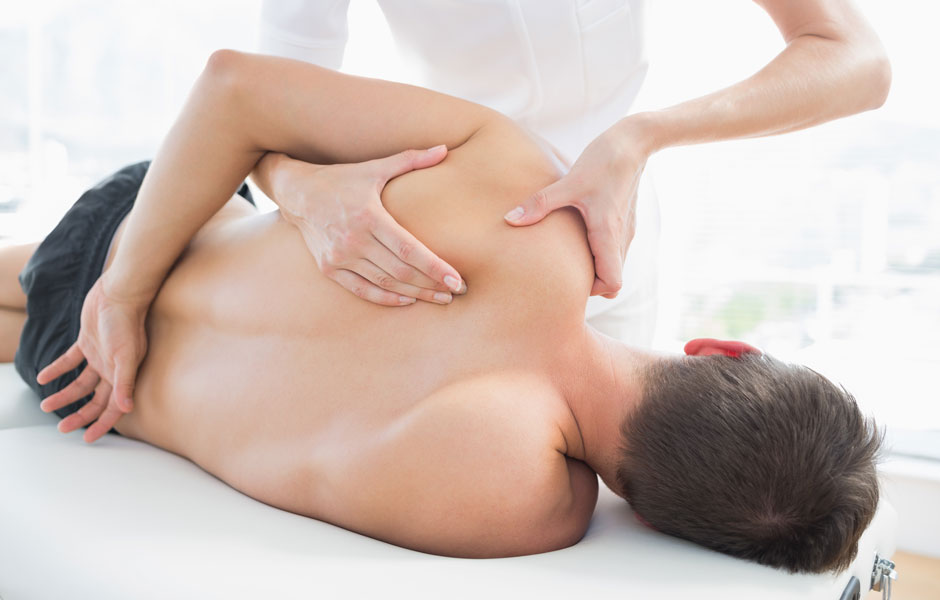
Cupping uses controlled suction to gently lift soft tissue. This approach may help encourage circulation in areas where muscles feel tight, guarded, or less mobile after an accident. Rather than pressing down on a tender area, the cups create a lifting sensation on the skin and tissues beneath it.
After a crash, we may consider cupping for concerns such as:
- Neck stiffness or tightness
- Shoulder tension
- Back discomfort
- General muscle soreness
- Restricted range of motion
Cupping is not a one-size-fits-all answer, and we do not treat it as a standalone fix for every injury. Your accident history, examination findings, comfort level, and current symptoms all matter when we decide whether it may fit into your plan.
When clinically appropriate, we may pair cupping therapy for car accident injuries with chiropractic care, rehabilitation exercises, massage therapy, and guided movement recommendations. The goal is to support comfortable movement and help you follow a plan that makes sense for your body, not push you through care that does not feel right.
Some people notice that tight areas feel different after a session, while others need time and consistent care before they notice changes. We encourage open communication throughout treatment so we can adjust your plan as your symptoms and mobility change.
What Your First Cupping Visit Includes
Your first visit starts with a conversation, not a row of cups. We will discuss what happened in the accident, when your symptoms began, which movements feel limited, and how the discomfort affects work, sleep, exercise, or daily tasks. We also want to know about prior injuries, medical history, medications, and skin concerns.
Be sure to share information about blood-thinning medications, sensitive skin, recent procedures, rashes, or other conditions that could affect whether cupping is appropriate. Honest details help us make safer, more informed recommendations.
Before suggesting treatment, we may assess areas such as:
- Posture and movement patterns
- Neck, shoulder, and back mobility
- Muscle tension and tenderness
- Areas that feel guarded or restricted
- How certain motions affect your symptoms
If cupping is appropriate, we place cups on targeted muscle areas based on your exam and treatment plan. The amount of suction is adjusted to your comfort level. Depending on your needs, the cups may stay in one place for a short period or be moved gently across the skin.
Session length can vary based on the areas being treated and the rest of your care plan. Throughout the visit, tell us how the suction feels. Cupping should not feel sharply painful or unbearable, and we can make changes if the pressure feels too strong.
Marks, Sensations, and Recovery After Cupping
During a cupping session, you may feel pulling, warmth, mild pressure, or temporary tightness in the treated area. These sensations can feel unusual at first, especially if your muscles are already sore from the accident. Let us know right away if anything feels painful or overly uncomfortable.
Circular marks can appear where the cups were placed. These temporary discolorations are not typically bruises caused by impact. They can vary in color and may last several days or, for some people, up to about two weeks depending on skin sensitivity, treatment intensity, and the area treated.
Aftercare is usually simple, but it should always follow the guidance we give you. We may recommend that you:
- Drink water and stay hydrated
- Keep the treated area comfortable
- Avoid intense activity if advised
- Pay attention to changes in soreness or mobility
- Follow your full treatment plan and home-care guidance
Recovery after a car accident does not follow the same timeline for everyone. Injury severity, health history, daily activity, and consistency with care can all affect how you feel over time. A little patience goes a long way, especially when your body is working through stiffness that developed after a sudden impact.
Combine Cupping with a Personalized Injury Plan
Cupping can be useful, but it is not meant to replace a complete evaluation or a personalized recovery plan. Accident injuries can involve more than one muscle group or movement pattern, which is why we may combine cupping with chiropractic adjustments, rehabilitation exercises, therapeutic massage, and mobility work when appropriate.
Consistent visits and home-care recommendations can also matter when pain or movement restrictions interfere with daily life. We encourage you to notice practical changes, not just pain levels. For example, track whether you are sleeping more comfortably, turning your head more easily, sitting longer without stiffness, or returning to everyday activities with less discomfort.
Clear records can be helpful after an accident as well. For qualifying auto accident, sports injury, and slip-and-fall cases, we can provide injury documentation that tracks reported symptoms, treatment recommendations, and progress over time. Keeping details organized may make it easier to understand how your condition changes throughout care.
Move with Confidence After an Evaluation
It is wise to seek an evaluation soon after a car accident, even if discomfort seems mild at first or develops gradually in the days after the crash. Early attention can help identify movement limits, muscle tension, and other concerns that may be easy to overlook when life gets busy.
Cupping therapy for car accident injuries may be a supportive option when it is part of a plan built around your specific needs. Pay attention to your symptoms, communicate clearly during care, and give your body the time and professional support it needs to move more comfortably again.
Personalized Care for Your Recovery Goals
At Power South 305, we take time to understand how an accident has affected your movement, comfort, and daily routine. Learn whether cupping therapy for car accident injuries may fit into an individualized approach to care. Contact us to discuss your concerns and next steps with our team.